
Building Permits in Ontario: Complete 2026 Guide for Developers and Homeowners
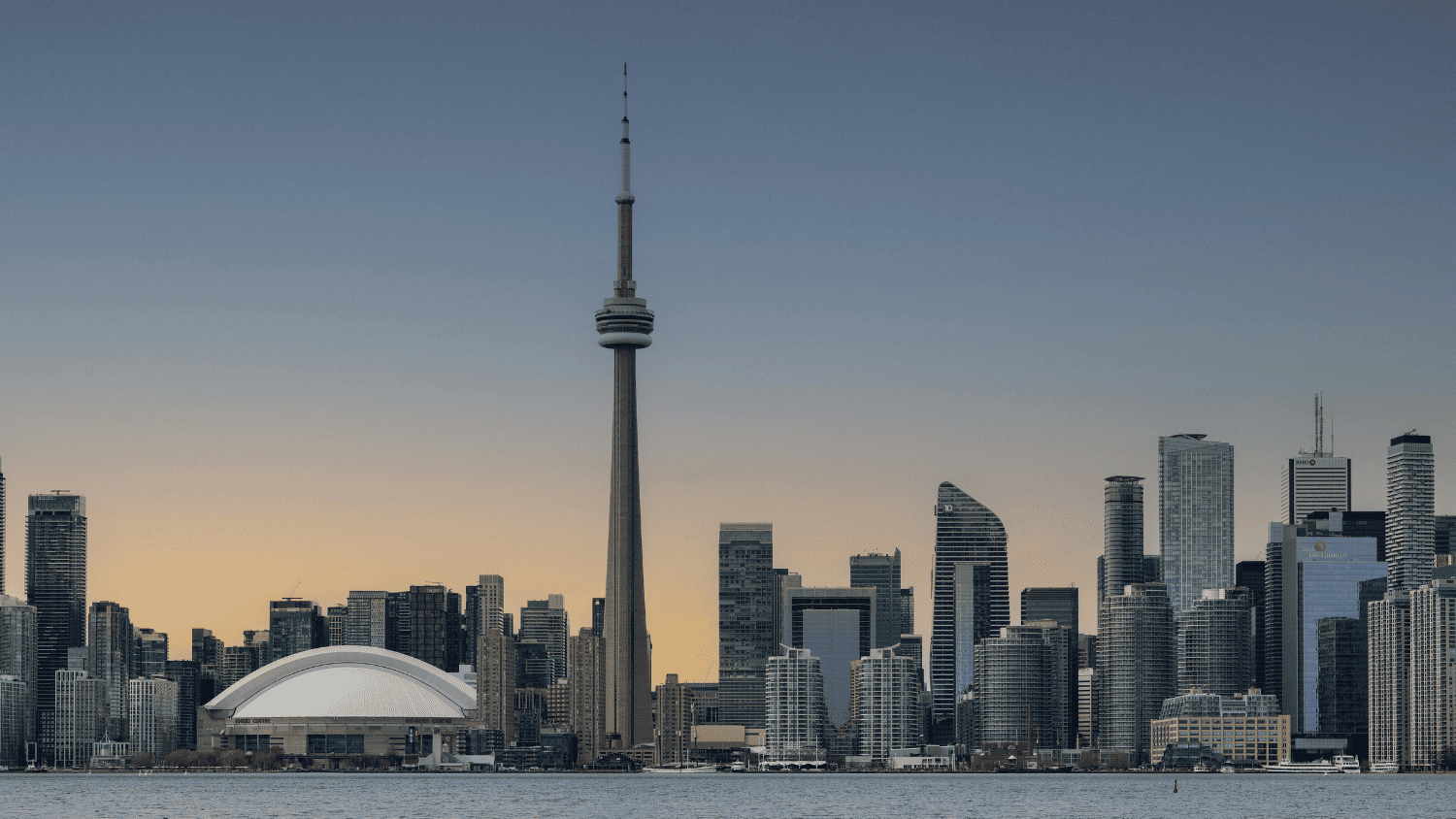
Quick Answer: A building permit is a legal authorization issued by your municipal building department that allows you to construct, renovate, or make structural changes to a building. In Ontario, building permits are required for most construction work and ensure your project complies with the Ontario Building Code and local bylaws. The application process typically takes 4-8 weeks, costs $500-$5,000 depending on project scope, and is mandatory before construction begins.
What is a Building Permit?
A building permit is a legal document issued by a municipality that authorizes specific construction, renovation, or structural work on a property. It ensures that proposed work meets the Ontario Building Code (OBC), which is the provincial standard for building construction and safety. Without a valid building permit, construction is illegal in Ontario and subjects property owners to serious consequences including stop-work orders, fines, and mandatory removal of unpermitted work.
The Ontario Building Code is based on the National Building Code of Canada and covers safety requirements for structural design, fire protection, accessibility, energy efficiency, and public health. Building permits are the municipal mechanism for verifying that your project design complies with these code requirements before construction begins.
Who Needs a Building Permit in Ontario?
Most construction work in Ontario requires a building permit. This includes new building construction (residential, commercial, industrial), additions and expansions to existing buildings, renovations involving structural changes, foundation work, roof replacement, changes to electrical systems, plumbing modifications, HVAC installations, and interior alterations affecting safety or code compliance.
Some minor work is exempt from permit requirements including small deck replacements (under specific conditions), certain interior finishes, painting and wallpaper, non-structural exterior repairs, and agricultural buildings in certain jurisdictions. However, the exemption list is limited, and most property owners should assume their project requires a permit unless it clearly falls into an exempt category.
Homeowners, developers, contractors, and property managers all need building permits for their respective projects. Whether you're building a single-family home, developing a subdivision, renovating a commercial space, or managing rental properties, building permits are a mandatory step before construction proceeds.
Ontario Building Code Compliance: What This Means for Your Project
The Ontario Building Code establishes minimum standards for building construction ensuring structural safety, fire protection, accessibility for people with disabilities, energy efficiency, and appropriate plumbing and electrical systems. When you apply for a building permit, the municipality reviews your plans against OBC requirements and won't approve your project if it doesn't comply.
Building Code compliance affects many aspects of your project including foundation design and depth, wall construction and framing, roof structural capacity, fire rating for walls and separations, means of egress (exits and emergency routes), staircase design and dimensions, ramp slopes and handrails, window sizes for emergency escape, electrical system design and capacity, plumbing layout and venting, HVAC system sizing, insulation values and air sealing, and accessibility features.
Understanding that the OBC is minimum standard—not maximum—helps developers plan appropriately. Better-than-code designs are always acceptable and often desired. Working with professionals experienced in OBC requirements prevents costly design revisions during the permit review process.
Building Permit Application Process in Ontario: Step-by-Step
The building permit application process follows consistent steps across Ontario municipalities, though specific requirements and timelines vary by location.
Step 1: Prepare Required Documents
Your application must include architectural drawings showing floor plans, elevations, and sections; structural engineering calculations for all load-bearing elements; site plan showing property lines, building location, setbacks, and parking; grading and drainage plan; utility service information; energy compliance documentation (SB-12 form); sewage and water connection information; and any required professional certifications.
Drawings must be prepared by licensed professionals—architects for residential buildings over certain size thresholds and all commercial buildings, and professional engineers for structural systems. These professionals stamp and sign drawings certifying compliance with the OBC.
Step 2: Submit Application to Building Department
Each municipality has specific submission requirements regarding number of copies (often 2-4), submission format (paper, electronic, or both), required forms, application fees, and supporting documentation. Application fees typically range from $500-$5,000 depending on project scope and construction value.
Contact your municipal building department before submitting to confirm requirements. Many municipalities now accept electronic submissions which speeds the process.
Step 3: Initial Plan Review
Upon submission, building staff conducts a completeness review. If the application is incomplete, staff identifies missing items and you have opportunity to resubmit. Complete applications move to detailed technical review.
Step 4: Technical Plan Review
Professional building code reviewers examine your plans against OBC requirements. This typically takes 2-4 weeks but can extend longer for complex projects. Reviewers may request clarifications, design modifications, or additional information to demonstrate code compliance.
Step 5: Permit Issuance
Once plans are approved, the building department issues your permit. The permit is a legal document authorizing construction according to the approved plans. You must post the permit visibly at the construction site.
Step 6: Inspections During Construction
Building permits require inspections at critical construction stages including foundation inspection (after footing excavation and before concrete pour), concrete inspection (before concrete is poured and after), framing inspection (before drywall installation), plumbing rough-in inspection (before walls are closed), electrical rough-in inspection (before drywall installation), mechanical inspection (HVAC systems), insulation inspection (before drywall), fire protection inspection (sprinklers if required), and final inspection (before occupancy).
Each inspection confirms that work completed matches the approved plans and complies with the OBC. Work must not proceed beyond an inspection stage until the previous stage has been inspected and approved.
Step 7: Occupancy Permit
Upon successful completion of all inspections and final verification that the project is complete and compliant, the building department issues an Occupancy Permit (or Compliance Letter). This permits you to occupy or use the building. Without this document, occupancy is illegal.
Required Documents for Building Permit Applications in Ontario
Specific documentation requirements vary by municipality and project type, but generally include:
Architectural Drawings: Floor plans showing all spaces, dimensions, door and window locations, structural grid, and all details at 1/4" = 1' scale or larger; exterior elevations showing all four sides with materials, fenestration, and dimensions; building sections showing floor heights, ceiling heights, roof slope, and construction details; and detailed plan sheets for complex elements like stairs, kitchens, bathrooms, and HVAC layouts.
Structural Engineering: Calculations demonstrating that all structural elements (footings, beams, columns, roof) are sized appropriately for applied loads; connection details for critical joints; soil bearing capacity assumptions; snow load calculations; wind load analysis; and seismic design (where applicable). Engineer must seal and sign all structural documents.
Site Plan: Property boundaries clearly marked; building footprint accurately located; setback measurements from property lines; parking layout with dimensions and accessible parking spaces; loading areas; grading and drainage pattern; utility service locations; and any easements or rights-of-way.
Electrical Design: Single-line diagram showing service entrance, panel location, and main breaker size; lighting and outlet location plans; load calculations and panel sizing; emergency lighting (if required); and any special systems like solar, backup generators, or specialized equipment.
Mechanical Design: HVAC equipment location and sizing; ductwork routing; ventilation rates and calculations; controls and thermostats; exhaust systems; and any specialized equipment.
Plumbing Design: Fixture location and connections; water service sizing; drainage system design and slope; vent stack locations; grease traps or specialized fixtures; and any backflow prevention devices.
Septic System Design (if applicable): Site plan showing septic location relative to property line, well, watercourse, and building; soil test results; system design meeting Health Unit requirements; and professional design seal.
Environmental Documentation: Environmental Site Assessment (ESA) if development involves industrial land or contamination concerns; Phase 1 ESA at minimum; Phase 2 if Phase 1 indicates issues; and any remediation plans.
Energy Compliance: SB-12 form (Standard 12 Certificate) demonstrating that the building will meet Ontario's energy efficiency standards; thermal resistance values for insulation; window U-values; air-sealing details; and mechanical ventilation calculations.
Building Permit Costs in Ontario: What to Budget
Building permit costs include municipal application fees, design professional fees, and consultants for specialized systems.
Municipal Application Fees:
Building permit application fees vary significantly by municipality. Typically fees are based on either the estimated construction value or floor area. Most Ontario municipalities charge between $500 and $5,000 for residential permits and $2,000-$15,000 for commercial permits.
- Kawartha Lakes: $0.18 per square foot of construction value
- Peterborough: $0.20 per square foot
- Durham Region: Varies by municipality (Oshawa: $0.16/sq ft)
A 2,000 sq ft home costing $400,000 might have a permit fee of $600-$800 in most Southern Ontario municipalities.
Design Professional Fees:
Architectural and engineering fees typically represent 4-8% of construction value. For a $400,000 project, expect $16,000-$32,000 in professional design fees.
- Architect: $12,000-$25,000 for residential design
- Structural Engineer: $3,000-$8,000
- Mechanical/Electrical/Plumbing Engineer: $3,000-$8,000 combined
- Specialized Consultants (environmental, geotechnical): $5,000-$15,000 if needed
Building Inspection Fees:
Some municipalities charge inspection fees separate from the application fee (typically $100-$300 per inspection). Most Ontario municipalities include inspections in the permit fee.
Plan Review Delays:
If your plans require revision, resubmission costs (typically 50-75% of original application fee) apply. A single resubmission can add $250-$2,000 to permit costs.
Building Permit Timeline: What to Expect in Ontario
The timeline from application submission to permit issuance varies significantly based on project complexity, municipal workload, and application completeness.
Simple Projects (renovation, single-family home addition): 4-8 weeks from complete application to permit issuance
Moderate Complexity (single-family new construction, small commercial): 8-12 weeks
Complex Projects (multi-unit residential, large commercial, industrial): 12-20+ weeks
Once permitted, construction inspection timelines depend on your building schedule. A typical single-family home construction involves 6-8 inspections spread over 6-12 months. Commercial projects may have more inspections and longer timelines.
Factors Accelerating the Process:
- Complete, professional-quality first submission
- Working with designers familiar with your municipality's requirements
- Proactive communication with building department
- Responsive revision submissions
- Simpler, more straightforward designs
Factors Extending the Timeline:
- Incomplete initial submission requiring revisions
- Plans not meeting code requirements (design changes needed)
- Municipal backlog and staff availability
- Complex or unconventional designs requiring detailed review
- Unfamiliar materials or systems requiring special scrutiny
- Environmental or geotechnical issues requiring investigation
Common Building Permit Mistakes to Avoid
Incomplete Applications: Missing documents, unclear drawings, or insufficient detail force rejection and resubmission, costing 4-8 weeks and additional fees. Professional preparation prevents this.
Non-Compliant Designs: Submitting plans that don't meet OBC requirements triggers revisions. Common violations include inadequate setbacks, insufficient egress, non-compliant stair design, inadequate insulation, and incompletely sized structural systems. Having licensed professionals design your project prevents code violations.
Starting Construction Before Permit Approval: Never begin work before a permit is issued. Unpermitted construction can be ordered removed entirely, costing far more than proper permitting.
Proceeding Beyond Inspection Stages: Building inspectors must approve work before you proceed to the next phase. Closing walls before electrical and plumbing rough-in inspections are complete makes corrections difficult and costly.
Ignoring Inspector Comments: Building inspectors can require modifications to meet code. Responding promptly to comments prevents project delays.
Hiring Unqualified Professionals: Using unlicensed architects or engineers for complex projects often results in non-compliant designs that must be revised.
Building Permits Across Southern Ontario Municipalities
Building permit requirements and timelines vary by municipality. Some key Southern Ontario jurisdictions:
City of Kawartha Lakes:
- Application fee: 0.18 per sq ft of construction value
- Typical review timeline: 6-10 weeks
- Contact: Building Services Department, (705) 324-5600
Peterborough:
- Application fee: 0.20 per sq ft
- Typical review timeline: 6-10 weeks
- Contact: Building Services, (705) 742-7777
Durham Region Municipalities:
- Oshawa: 0.16 per sq ft, 6-10 weeks
- Ajax: 0.17 per sq ft, 6-10 weeks
- Whitby: 0.18 per sq ft, 6-10 weeks
Each municipality has unique requirements regarding drawing detail, submittal format, and specific design standards. Working with a consultant familiar with your specific municipality accelerates permitting.
When You Should Hire Professional Help
For most residential and all commercial or industrial projects, professional guidance during permit preparation ensures successful first-time approval. Here's when professional help provides greatest value:
Complex structural systems requiring engineering analysis benefit from professional structural engineering review. Residential projects with post-and-beam framing, long roof spans, or unconventional construction definitely need engineering.
Multi-story buildings or buildings exceeding 5,000 sq ft require architect involvement in most Ontario municipalities.
Commercial or industrial projects benefit from professional design regardless of size.
Unfamiliar or new building systems like radiant heating, innovative ventilation, or advanced energy systems benefit from professional specification.
Projects facing unusual site conditions like sloped sites, poor soil, high water table, or environmental constraints warrant professional investigation and design.
Our team at TD Consulting brings 25+ years of building permit experience across Southern Ontario municipalities. We prepare applications, coordinate professional teams, manage plan review interactions, and ensure permit issuance on schedule. Many clients find that professional permitting guidance pays for itself through avoided delays and revision costs.
Conclusion
Building permits are non-negotiable requirements for legal, safe construction in Ontario. The permit process ensures your project meets the Ontario Building Code and complies with municipal requirements. While permits add time and cost to your project timeline, they protect public safety, ensure quality construction, and provide legal authorization for your development.
Starting your permit application with professional guidance ensures first-time-right approval, avoiding costly delays and revisions. Our team at TD Consulting Inc. brings 25+ years of permit experience across Southern Ontario municipalities. We prepare applications, coordinate professional teams, and guide projects through to successful permit issuance.
Need help with your building permit? Contact TD Consulting for professional guidance through the Ontario building permit process.
Frequently Asked Questions About Building Permits in Ontario
Q. How long does a building permit take in Ontario?
Typical timeline is 4-12 weeks from complete application submission to permit issuance, depending on project complexity and municipal workload. Simpler projects (renovations, small additions) often take 4-8 weeks. New construction and complex projects may take 12-20 weeks. Incomplete applications or plans requiring revision extend timelines significantly.
Q. Can I do my own building permit application?
Homeowners can submit applications for renovation projects on their own properties if they have prepared compliant drawings. However, most commercial work and new construction requires licensed professional design. Many homeowners find that hiring professional help results in faster approval and prevents costly mistakes.
Q. What happens if I build without a building permit?
Building without a permit is illegal in Ontario. If discovered, you face stop-work orders, fines ($50,000+), mandatory removal of unpermitted work, inability to obtain financing or insurance, problems selling the property, and potential prosecution. Additionally, unpermitted work voids your insurance coverage, creating financial liability.
Q. Do building permits expire in Ontario?
Building permits typically expire if construction doesn't begin within 12 months of issuance or isn't substantially progressed after 12 months. You must request extension to the municipality (usually granted once) before expiration. If permit expires, you must reapply, incurring additional fees and delays.
Q. How much does a building permit cost in Ontario?
Municipal application fees range from $500-$5,000 for residential projects and $2,000-$15,000 for commercial projects. Add professional design fees ($5,000-$30,000+) and you're looking at $10,000-$50,000 total permit costs for a new residential project. The cost is an investment in legal compliance and code-compliant design.
Q. What is the Ontario Building Code exactly?
The Ontario Building Code (OBC) is the provincial building standard establishing minimum requirements for structure, fire protection, accessibility, mechanical systems, electrical systems, plumbing, energy efficiency, and public health. It's based on the National Building Code and applies to all building construction in Ontario. Permits verify that designs meet OBC requirements.
Q. Do I need an architect or engineer for my project?
Most residential renovations can proceed without an architect if you hire a building designer or contractor to prepare compliant drawings. However, multi-story buildings, commercial/industrial projects, and complex structural systems require licensed professional design. Professional input often prevents costly design revisions during permit review.
Q. Can permits be expedited?
Some municipalities offer expedited review for additional fees (typically 25-50% surcharge). Expedited review prioritizes your application but success depends on design quality and completeness. Working with professionals familiar with your municipality's requirements provides greater benefit than expedited review.